Achieving ultimate flexibility through yoga can be a rewarding journey, and certain poses are particularly effective in enhancing your range of motion. Whether you're a beginner or a seasoned practitioner, incorporating these poses into your routine can significantly improve your flexibility.
One of the best poses for flexibility is the Downward-Facing Dog (Adho Mukha Svanasana). This pose stretches the entire back, legs, and arms, helping to open up tight muscles. To get into the pose, start on your hands and knees, tuck your toes under, and lift your hips up and back. Hold for several breaths while focusing on deeply stretching through your spine and legs.
Another great pose is the Pigeon Pose (Eka Pada Rajakapotasana). This pose is fantastic for opening up the hips and releasing tension in the glutes. To practice Pigeon, start in a tabletop position, bring your right knee forward and place it behind your right wrist while extending your left leg straight back. Keep your hips squared and take deep breaths to enhance the stretch further.
Triangle Pose (Trikonasana) is also a stellar choice for flexibility. This pose stretches the legs, hips, and torso while also improving balance. To perform Triangle Pose, stand with your feet wide apart, extend your arms parallel to the ground, and reach to one side while keeping the other arm pointed toward the sky. Look up at your top hand and hold the stretch to enjoy the benefits for your body.
Building Stretching Strength
One of the key poses to help develop this strength is the Warrior II. This pose requires both stability and leg strength, enabling you to hold the position for longer periods. As you deepen into the stretch, you’ll find that your hips and thighs become more flexible while simultaneously building endurance in your muscles. The Warrior II flow teaches you to engage your core and support your body weight effectively, which is crucial for safe and powerful stretches.
Another effective pose is the Plank Pose. While primarily known for building core strength, Plank also draws in the arms, legs, and back, promoting overall body stability. This engagement allows you to transition to deeper stretches more safely, as you cultivate not only flexibility but also the strength needed to support your body in various positions. Incorporating Plank into your routine will enhance your ability to tackle more challenging yoga poses with ease.
Finally, Chair Pose is a fantastic way to challenge your body and improve your stretching strength. It involves bending your knees while lifting your arms, which builds leg strength and engages your core. The stability you develop in Chair Pose is essential for progressing in other deep stretches. As you hold this position, concentrate on breathing deeply to release tension and deepen the stretch, enhancing your overall flexibility.
Everyday Yoga Routines
Starting your day with a few sun salutations is a fantastic way to awaken your body. Begin in Mountain Pose, reach your arms overhead, and then flow through Forward Fold, Halfway Lift, and Downward Facing Dog. This sequence stretches out your legs, opens your hips, and lengthens your spine. Just a few rounds can energize you and prepare you for the day ahead.
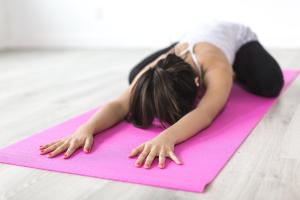
In the evening, consider practicing gentle restorative poses to ease tension accumulated throughout the day. Poses like Child's Pose, Butterfly Pose, and Legs-Up-the-Wall not only promote flexibility but also calm your mind. Spend several minutes in each pose, focusing on your breath and allowing your body to relax deeply.
If you're looking to add more variety to your routine, consider a mid-day desk yoga break. Simple stretches, such as seated twists and neck releases, can be done right at your desk. These quick movements relieve tightness and improve circulation, making it easier to return to your work with fresh energy and focus.
Tips for Better Flexibility
Improving flexibility can be a rewarding journey, and incorporating the right tips into your routine can make a significant difference. Start by ensuring you warm up properly before engaging in any stretches. A few minutes of light cardio, like jogging in place or doing jumping jacks, can help increase blood flow to your muscles, making them more pliable and ready for deeper stretches.
Consistency is key when it comes to flexibility. Aim to incorporate stretching into your daily routine. Even a short 10 to 15 minutes of focused stretching can yield great results over time. Consider setting aside specific times during the week for your flexibility training, just like you would for any other workout. This dedicated practice will help your body adapt and improve steadily.
Don’t rush your stretches. Hold each pose for at least 15 to 30 seconds and remember to breathe deeply throughout the process. This allows your muscles to relax and gradually release tension. Pay attention to how your body feels, and never push yourself to the point of pain. Instead, look for the sweet spot of sensation, where you feel a mild pull yet can still breathe comfortably.
Incorporating a variety of stretches targeting different muscle groups can enhance your overall flexibility. Focus on poses that open up the hips, hamstrings, and shoulders, as these areas often hold tension. Additionally, practicing yoga regularly can introduce you to a range of poses designed to improve flexibility, balance, and strength all at once, making it a fantastic tool for your flexibility journey.
Lastly, ensure you're properly hydrated and consider the benefits of nutrition. Keeping your body hydrated helps maintain muscle elasticity, and foods rich in Omega-3 fatty acids can help prevent stiffness. Incorporating these tips into your daily life will not only help you become more flexible but also support your overall well-being.